




Brice
$750/day
recovered foreman time
6-minute daily reports replaced 35 — a measurable daily productivity return.
Fifteen years of heavy investment in safety, and the outcomes haven't moved — because too much of it became clutter: forms for the forms, waiting on the GC, paperwork that competes with production instead of protecting it. Done right, safety enables production. We call it operational safety: not more safety — the same safety, faster, easier, and with far less frustration. For you, that means a 10-minute FLHA, permits and certs that don't idle the crew, answers in your hand, and Rosie behind you in every fight.
One SALUS customer put a number on it: $750 per day in recovered foreman time. Here's where it comes from.
Within a month or so of starting SALUS, some of the comments were that if we took it away and went back to paper, they would quit.
Live field board · Every week
1 crew · 2 masters · 0 extra hours in the day
New site, new scope, new GC — and the crew is ready before the paperwork is. The site-specific plan nobody started, the SWP for a task you've never done on this job, the orientation the GC requires before anyone walks on. Tell Rosie on Friday afternoon: she drafts the plan from the site profile, your company standards, and the GC's requirements — reviewed, approved, and on every phone before the gate opens. The crew starts Monday because nothing was left to block them.
The site-specific safety plan is drafted from the project scope, hazard profile, company standards, and GC requirements.
A qualified safety lead reviews and approves the draft before it is issued to the site.
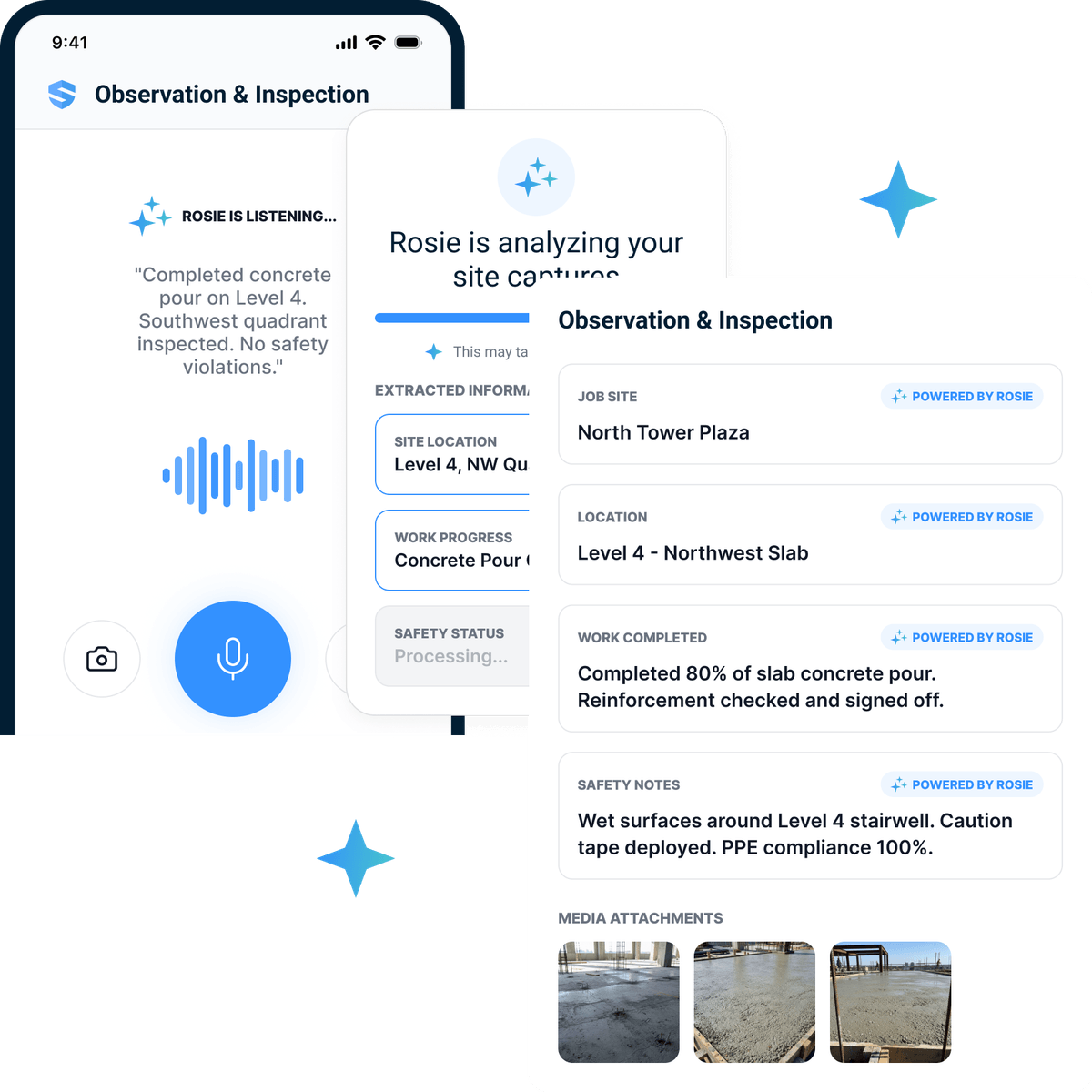
You know the morning talk works — it's the blank paper that's broken. Select today's scope and the relevant hazards and controls are already loaded; the crew reviews and signs from their own phones, most signatures done before the stretch. And the capture doesn't stop at 7 AM: walk the slab and speak what you see — Rosie turns the voice note into a structured record, photos attached, worker and task context already on it. Safety tasks done faster, easier, and with none of the clipboard frustration.
Hazards and controls pre-populate from the task, the location, and the equipment — you adjust, not author.
Voice notes and photos become observations, inspections, and incident records — no typing, no trailer.
Conditional logic cuts a 24-question form to the 8 that apply today. The crew stops speed-signing.
One customer's business case across their foreman team — an hour a morning returned to running the work.
A specialty contractor foreman spends a shocking share of the week proving things to the GC — that the crew is oriented, certified, briefed, and permitted — and then waiting for someone in a trailer to say yes. In SALUS, the proof moves by itself: what your crew captures flows to the GC and your office the moment it exists, and the yes comes back the same way. 🍁 Across the rest of Canada that proof is the COR and prequalification record a GC asks for; ⚜️ in Québec it's the CNESST and Bill 59 program records — same capture, same feed. The compliance conversation stops being a bottleneck and becomes a feed.
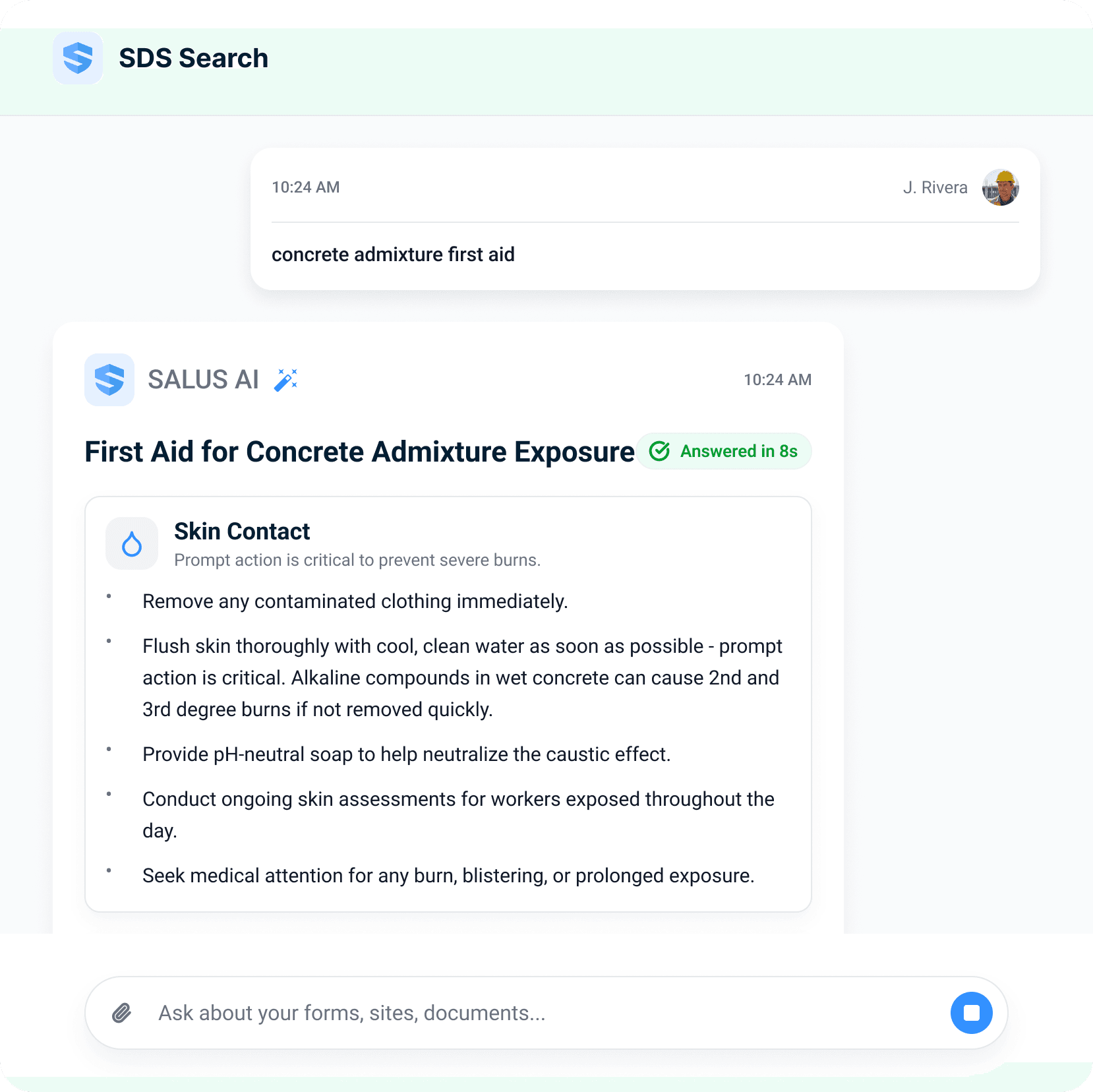
Workers lose 5.5 hours a week hunting for project information — and on live systems, the gap between "I should look this up" and "I'll just wing it" is where people get hurt. Ask Rosie out loud, in your language: the SDS answer arrives in 8 seconds with the section cited. The telehandler's rated capacity comes back with the operator's cert status attached. The SWP for this task, at this location, opens with one QR scan. Concise answers, sourced — fast enough that your crew actually asks.
At 40 ft of reach, the rated capacity is 2,500 lb with the load centered and the boom at or below 45°. Confirm the load weight before lifting.
The operator still verifies the actual load, attachment, and machine configuration before the lift.
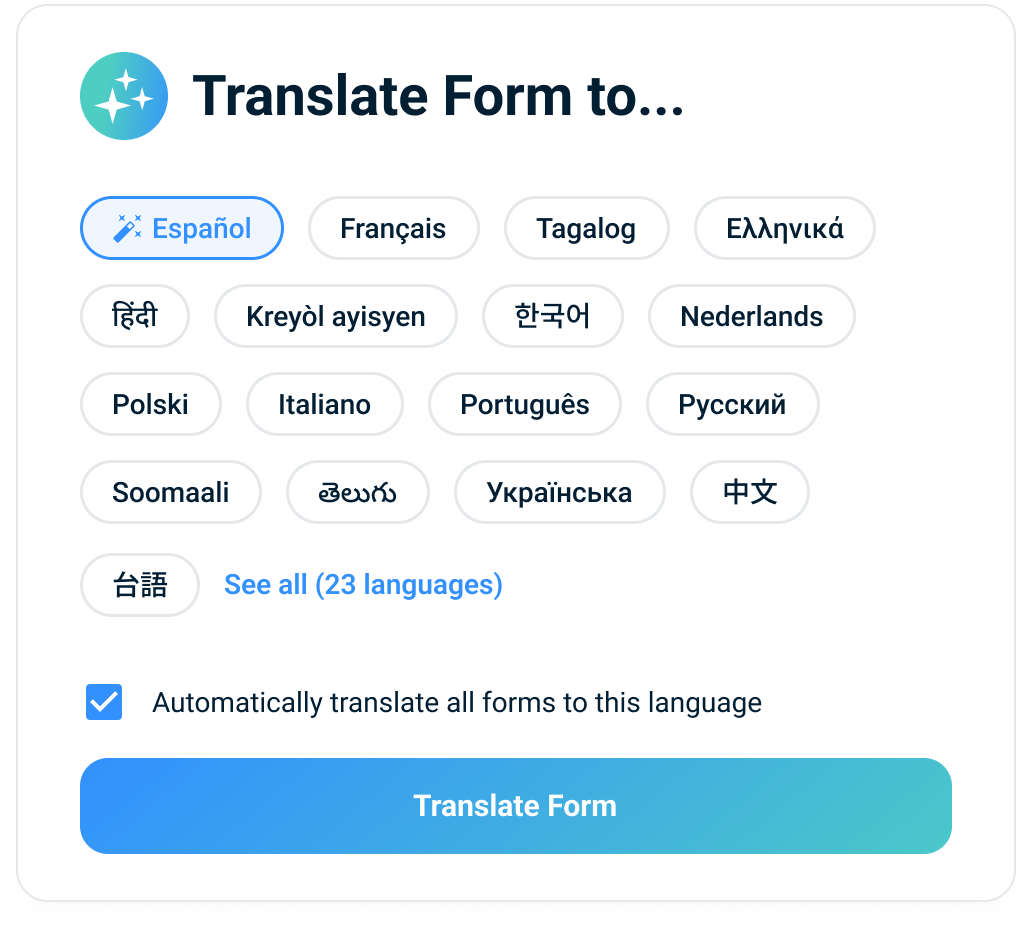
Your crew shouldn't need a translator to be safe — and you shouldn't need to be one. Workers ask Rosie and get answers in their own language; they complete FLHAs, orientations, and training the same way, and the office reads everything in English — including the hazard text a worker actually types. The least technical guy on the crew interacts through one QR scan. If he can add a contact to his phone, he can use SALUS.
Forms, talks, training, and Rosie's answers in the worker's language; submissions readable in yours.
Professional Excavators rolled it out to workers who 'struggle just to check their voicemail.' They got on board.
Speak the observation; Rosie writes the record. Accuracy stops depending on handwriting or English.
Native-language signatures are the strongest evidence your crew actually understood — not just signed.
The delay claim, the backcharge, the "your crew damaged the corridor" — they all come down to the foreman's word, and the foreman is undermanned and under-resourced against a GC's paper machine. Not anymore. The facts get captured the moment they happen — a voice note, a photo, context attached automatically — and Rosie assembles the dispute record: the readiness record, the blocked access flagged at 9:17, the signed FLHA, the corridor photographed at sign-out. The packet your office sends is built from what you captured between picks, not from your memory at deposition speed.
The documented sequence shows the pour area was not released and the crew was redirected after written notice. The evidence does not support crew-caused delay.
The project team and counsel review the chronology and contract position before it is issued.
The documented sequence shows the pour area was not released and the crew was redirected after written notice. The evidence does not support crew-caused delay.
The project team and counsel review the chronology and contract position before it is issued.
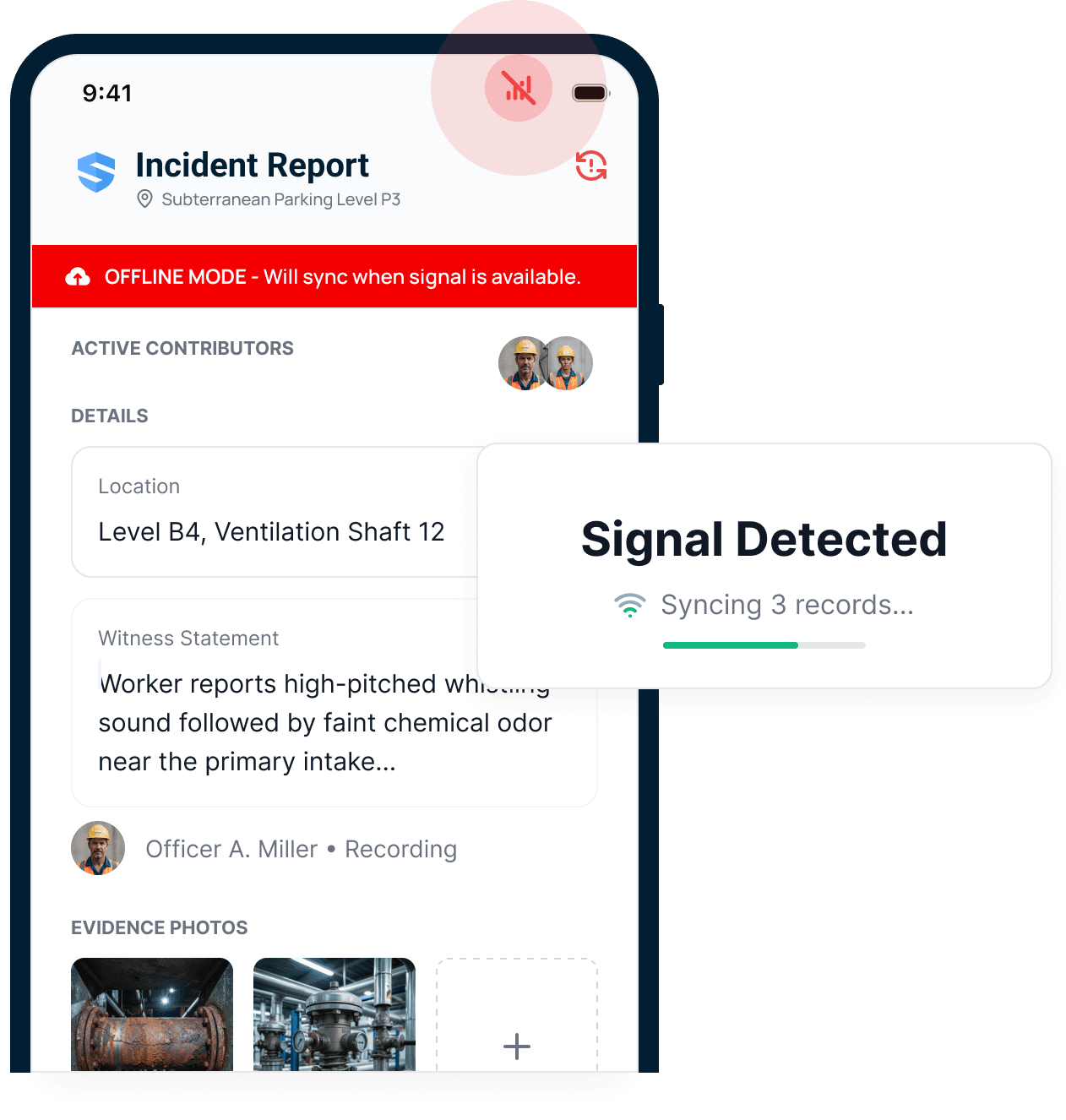
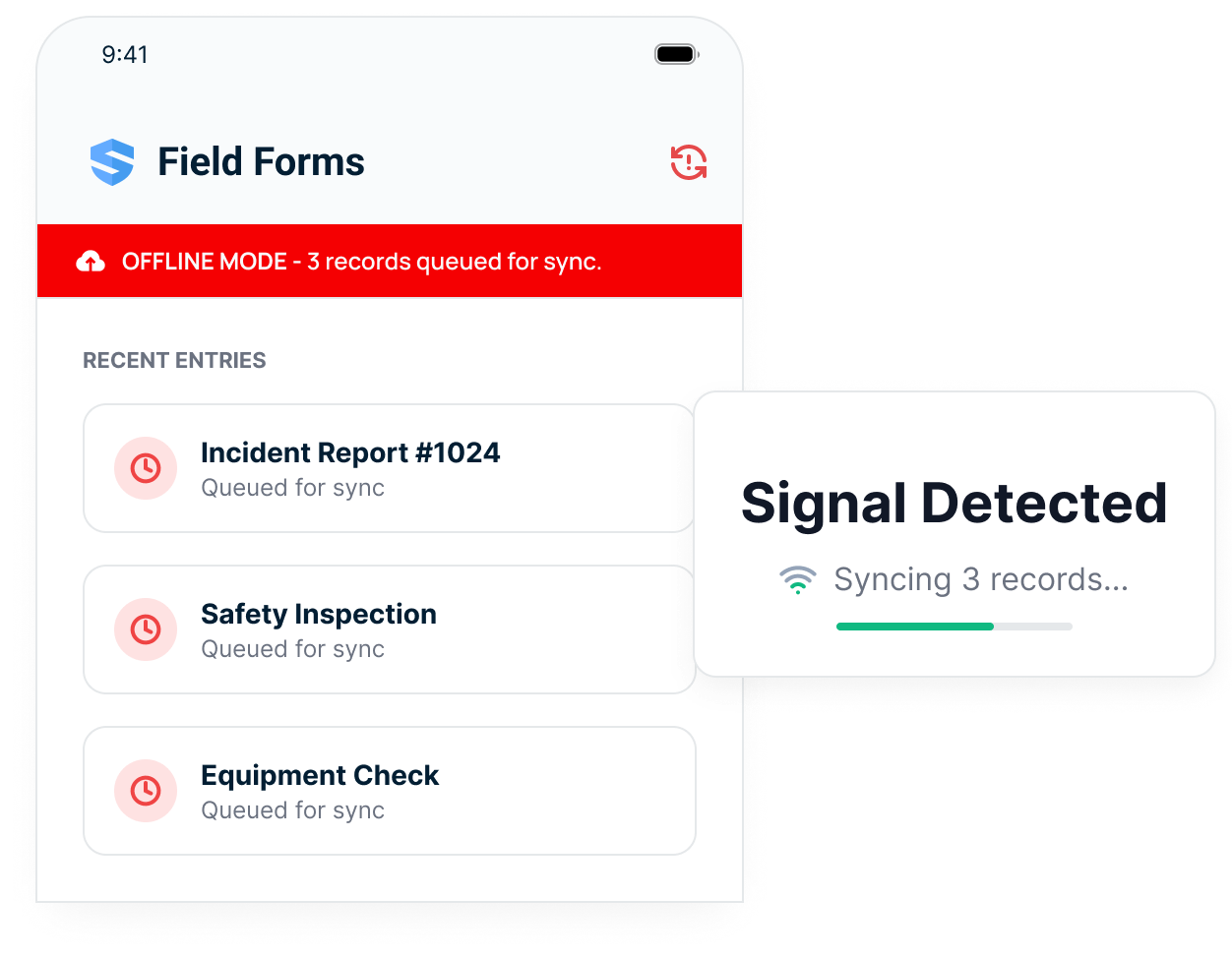
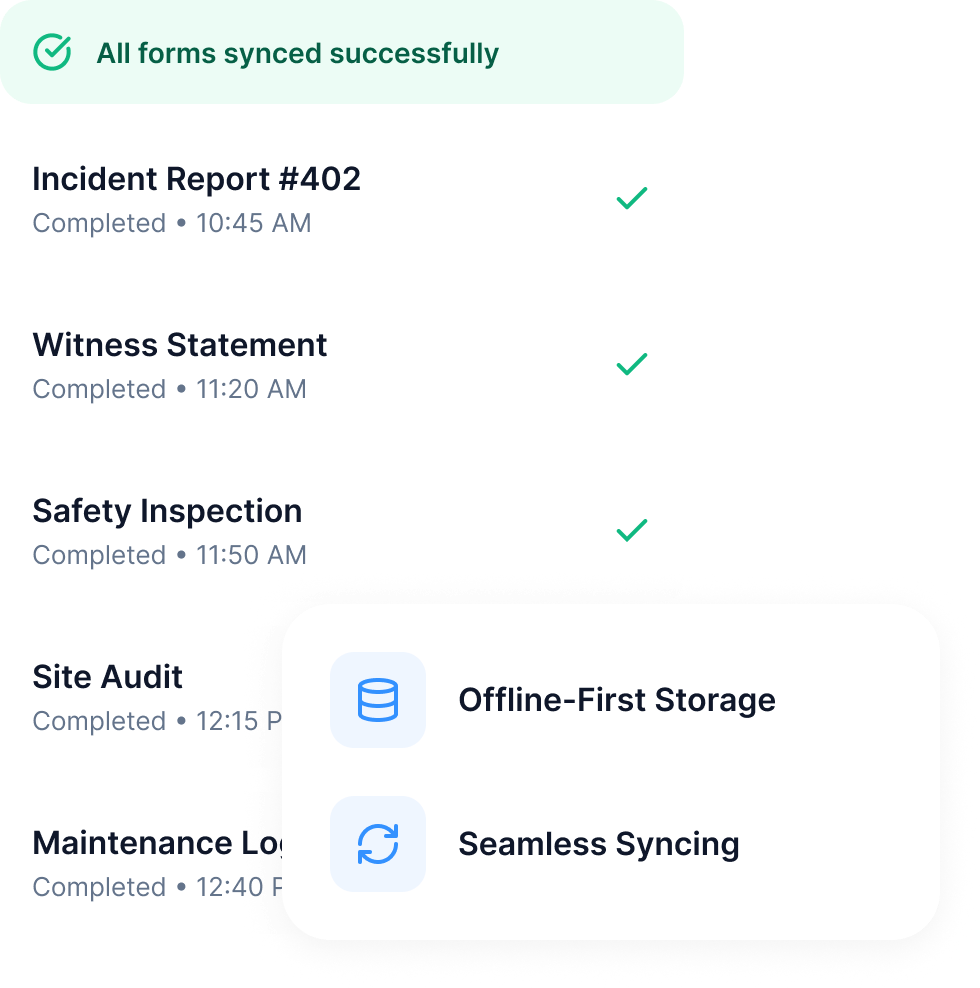
Foundation pits, riser shafts, electrical rooms — your highest-risk work happens exactly where signal dies. Every keystroke in SALUS is stored locally and syncs the moment bars come back: captured at P3, saved in the stairwell, delivered before you reach the trailer. Two of you can work the same incident report from different floors in different signal conditions. Full functionality, not a read-only fallback — LMS crews run this on bridge decks with zero connectivity across 170+ sites.
Safety used to compete with production. That's over.
Now it keeps the job moving.
Operational safety: the same program, faster, easier, and with far less frustration — an hour back every morning, no crew idling on approvals, and an army of Rosie behind every fight.
Sequence the day. Watch the new guy on the lift. Make the call on the wind. Teach the apprentice what no form can. The paperwork was never the job — it was the tax on the job. SALUS pays the tax so the best foreman on the company's roster gets to actually be one.
Your morning hour back, every morning — sequencing crews instead of copying yesterday's form.
Their certs current, their language spoken, their names protected by the record they build themselves.
Wind, access, sequence — your judgment, documented in seconds, verifiable later.
AI without field data is autocomplete. Rosie runs on what your crew actually captures in SALUS — the scans, the photos, the sign-offs from the real day — which is why the FLHA, the toolbox talk, and the answer to the GC are right the first time and hold up later.
One QR scan, a voice note, a photo — minutes, offline, 20+ languages. The crew builds the record because it beats paper.
Every capture links the worker, the cert, the task, the site, and the time — one record the whole job runs on, not nine apps.
FLHAs, toolbox talks, inspection answers, and the day's proof — drafted from that record, ready before the stretch.
Crew-level facts in. The job keeps moving.
The morning FLHA loads pre-filled with today's hazards and controls — a five-minute review, signed from the crew's own phones before the stretch.
One scan to capture — no logins, no accounts, no training on the training tool. That's why the crew actually uses it.
Full capture in the shaft, the pit, the dead zone — saved locally and synced the moment bars come back. Not a read-only fallback.
Equipment specs, SDS answers, and procedures in seconds at the point of work — in the worker's language.
Permit approvals and cert checks that move by themselves — so the crew isn't idle at $75 an hour waiting on a trailer.
The backcharge answer and delay-claim packet, assembled from the facts your crew captured between picks — not your memory at deposition speed.
6-minute daily reports replaced 35 — a measurable daily productivity return.

Crews across 170+ sites use it because it's faster than paper.

The morning FLHA is a review, not a blank page — the crew starts on time.

Within a month, crews said they'd quit before returning to the clipboard.
Trusted across 400K users, 150K sites, and 14K companies.
Go deeper · programs, audits, certs, and proof
The whole impossible job — programs, COR audits, certs, and proof — covered the same way.
Go deeper · scale and margin protection
Scale standards without scaling overhead — and protect the experience rating that prices every bid.
Go deeper · readiness and field answers
Readiness, unblocking, and field answers — how Rosie keeps crews moving.
Bring your worst blocker — the 40-question FLHA, the permit that takes two days, the Monday your crew stood around — and watch it clear in a 15-minute demo.
Faster · Easier · Far less frustration · The job keeps moving